
Navigating Life, Travel, and Vertigo
Why I Stop When Others Keep Going
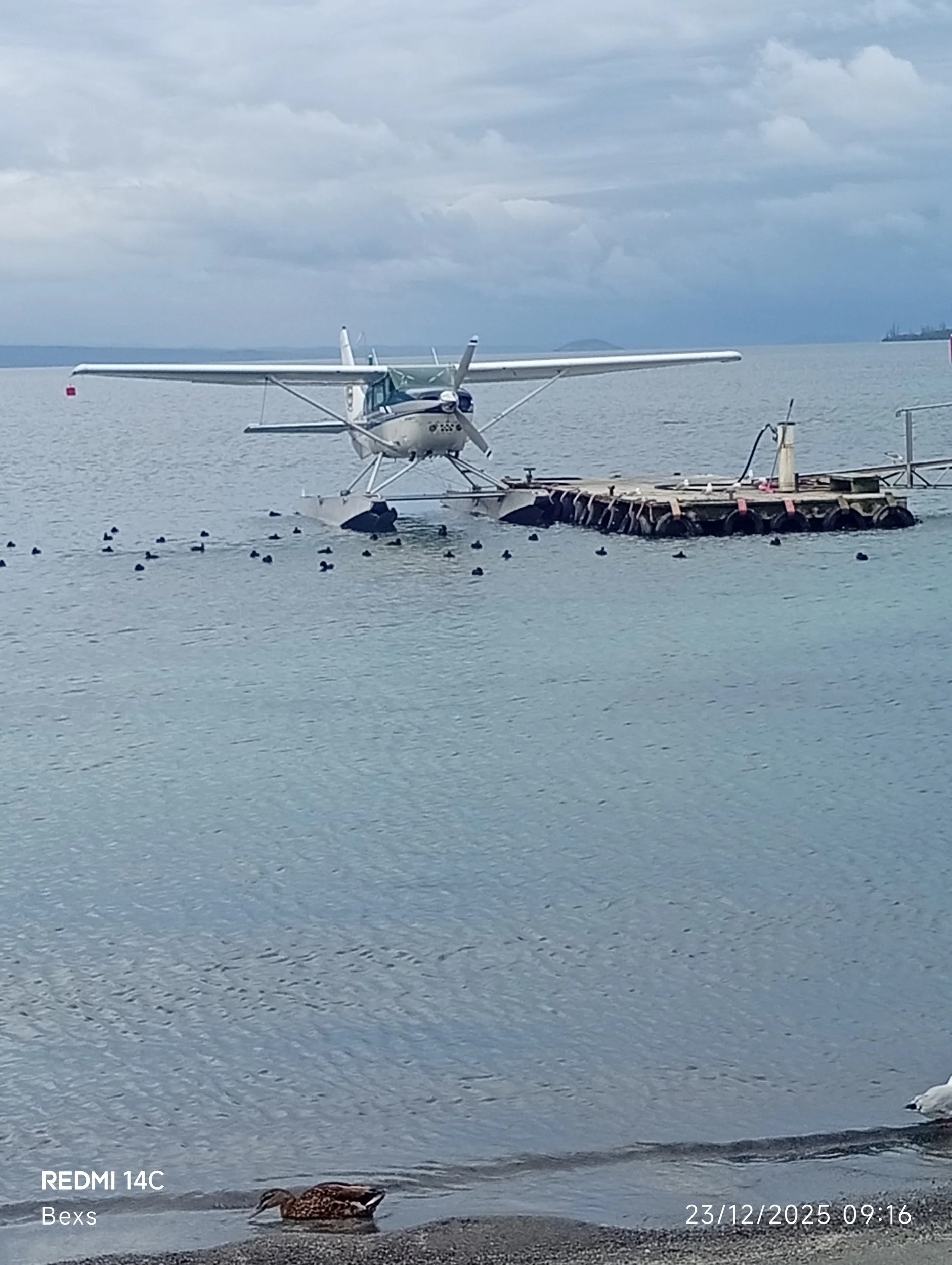
Breakfast and coffee with a view of Lake Taupō sounds like a simple, peaceful moment.
And it is but it’s also part of how I navigate life with vertigo-based migraines.
After two hours of driving, I stop. Not because I’m lazy, unmotivated, or “done for the day,” but because my nervous system needs time to settle. With vertigo and migraines, every small movement matters. Turning my head, standing up, walking into bright light even arriving somewhere can be enough to trigger nausea, disorientation, and pain.
Vertigo is often misunderstood as “just feeling dizzy.”
In reality, it can feel like the ground isn’t stable, like your body and brain aren’t communicating properly. It brings nausea, sensory overload, balance issues, and a constant need to assess whether it’s safe to keep moving.
So travel looks different for me.
I build pauses into the journey.
I stop before symptoms escalate.
I let my body recalibrate instead of pushing through and paying for it later.
This isn’t giving up it’s pacing. It’s how people with chronic illness stay functional, avoid flares, and continue to participate in life. Rest isn’t a failure; it’s a tool.
As I sit by the lake, a cheeky bird taps at the window looking for food. Ducks wander past like they own the place. People are already out on the water, gliding across the lake. Life continues and I’m part of it too, just at a different pace.
Living with vertigo and migraines has taught me something important:
Listening to my body isn’t optional it’s essential.
I still travel.
I still show up.
I just do it with intention, awareness, and compassion for my limits.
And sometimes, that looks like stopping for breakfast, coffee, and a view letting the world move while my body finds its balance again.