
Reflection - The Magic Number Is 5
When Vestibular Migraine Brings My World to a Halt
Living with an invisible illness, learning my limits, and discovering who really shows up.
There is a number I've learnt to pay attention to over the years.
Five.
Five and below, I'm generally managing. I might not be feeling great, I might be pushing through a few symptoms, but I'm still able to function to some degree.
Once my symptoms creep past that magic number, though, I know things can change quickly.
And when I say quickly, I mean my entire world can go from manageable to completely overwhelming.
Welcome to the reality of living with vestibular migraine.
When your body calls the shots
Vestibular migraine is more than a headache. For me, when the symptoms ramp up, the vertigo intensifies, my vision blurs, and everything else seems to follow.
Suddenly, the things I take for granted become difficult.
Conversations take more effort. Processing information becomes harder. Screens are unbearable. Movement can make everything feel worse, and sometimes lying down is the only option.
My world becomes small.
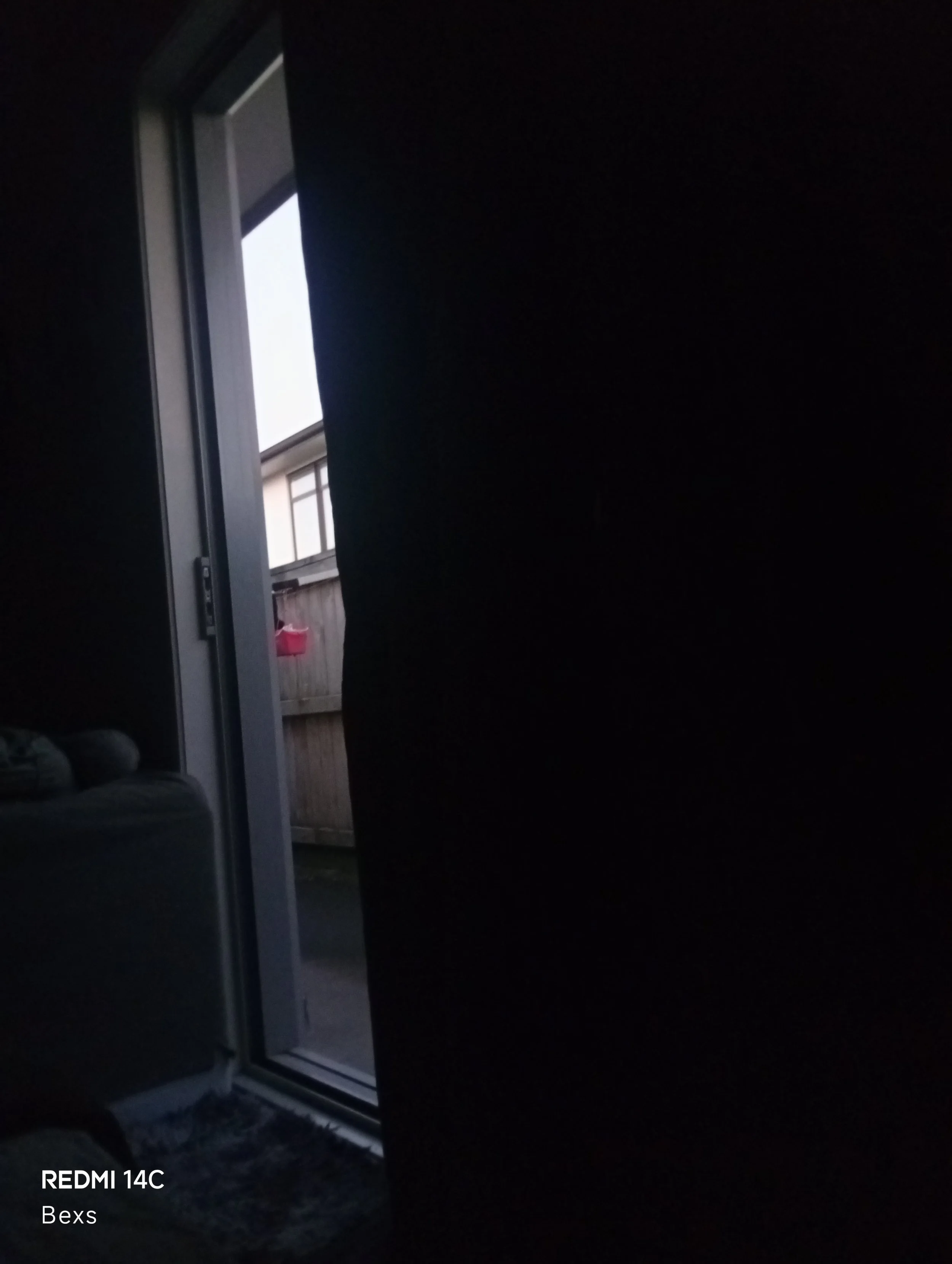
Darkness becomes my friend. Quiet becomes essential. Rest is no longer something I can put off until later.
There is no pushing through it with a positive attitude. No amount of determination makes me magically functional again. When my symptoms reach a certain point, my body makes the decisions for me.
And honestly? That can be bloody frustrating.
You might have plans. You might have things you need to do, people you want to see, or a list of things you were hoping to get through that day.
But your body has other ideas.
You learn, sometimes the hard way, that you cannot always plan your life around what you want to do. Sometimes you have to work around what your body is capable of doing.
That is a very different way of living.
The part people don't always see
One of the hardest things about living with an invisible illness is that people don't always understand what they cannot see.
They see you when you're having a good day. They see you laughing, socialising, making plans, getting things done, and showing up.
What they don't necessarily see is what happens behind closed doors.
They don't see the hours spent lying in darkness. They don't feel the dizziness, the visual disturbances, or the exhaustion that comes from trying to function when your brain and body are struggling.
They don't see what it takes to get back to feeling somewhat like yourself again.
And because they cannot see it, some people struggle to understand it.
There can be judgement. Assumptions. Frustration when you cancel plans or don't respond to a message.
You might find yourself explaining your condition over and over, trying to make people understand that you're not being difficult, distant, unreliable, or uninterested.
You're unwell.
Sometimes, you're simply doing everything you can to get through the day.
You shouldn't have to prove how unwell you are to deserve understanding.
That is something I wish more people understood about chronic illness.
Just because someone looks okay doesn't mean they feel okay. And just because they managed something yesterday doesn't mean they will have the capacity to do it today.
Our bodies don't work to everyone else's schedules.
Illness has a way of showing you who your people are
Over time, I've learnt that living with chronic illness can teach you a lot about relationships.
It shows you who understands, who makes an effort, and who can offer support without expecting something in return.
You begin to recognise the difference between people who genuinely care about your wellbeing and people who only seem comfortable with you when you're available, responsive, social, and able to show up for them.
Your support team isn't necessarily the biggest group of people around you.
Sometimes, it's the person who sends a message and tells you there's no pressure to reply.
It's the friend who checks in without expecting a lengthy explanation.
It's the person who doesn't take your silence personally.
It's the people who understand that cancelling plans doesn't mean you didn't want to be there. It means your health has made that decision for you.
Those little things matter more than people realise.
Because when your world is already feeling small, the last thing you need is the added weight of guilt, judgement, or having to manage someone else's disappointment.
You need understanding.
You need compassion.
And sometimes, you simply need people who allow you to be unwell without making you feel as though you've done something wrong.
Chronic illness doesn't just test your physical limits. It can reveal a great deal about the relationships you have and the expectations you've been carrying.
And while those lessons aren't always easy, they can help you understand where your energy is best spent.
The messages can wait. And I no longer feel guilty about that.
Let's talk about the pressure to always be available.
The messages waiting for a reply. The conversations you've missed. The notifications piling up. The expectation that because we have a phone in our hands, we should always be accessible.
When my vestibular migraine is bad, responding to a message can feel like another task my brain simply cannot manage.
Reading, processing, thinking of a response, and holding a conversation all require energy.
When that energy is already being used to cope with my symptoms, answering messages is not my priority.
And I've reached a point where I no longer feel guilty about that.
I don't need to apologise for resting.
I don't need to justify why I haven't replied.
I don't need to spend what little energy I have reassuring everyone that we're okay because I haven't been in contact.
The messages can wait. The conversations can wait. Social media can wait.
My health cannot always wait.
This isn't about not caring about people. It's about recognising that I have limitations and learning to respect them.
For a long time, many of us are taught to be accommodating, to show up, to respond, to keep everyone happy, and to feel responsible for how other people feel.
But chronic illness has a way of forcing you to reconsider those expectations.
You begin to realise that constantly pushing yourself to meet everyone else's needs can come at a cost to your own wellbeing.
And you are allowed to choose differently.
Learning to enjoy my own company and my own space
When your world becomes small, you have two choices: spend all your energy fighting the reality of where you are, or begin learning how to find peace within it.
Of course, I still get frustrated. I still wish I could do everything I wanted to do without worrying about how my body might respond.
I'm human.
But I've also learnt the value of being comfortable in my own company.
I don't always need noise, company, conversation, or something happening around me. Sometimes, I need quiet. I need space. I need to switch off from the expectations of the outside world.
And there is nothing wrong with that.
You have to learn to enjoy your own company and feel comfortable in your own space.
Not because you should have to do everything alone, but because your own peace matters.
Being alone doesn't automatically mean being lonely. Taking time away doesn't mean you're shutting people out. Choosing quiet doesn't mean you've stopped caring.
Sometimes, it's simply what you need to recharge, recover, and reconnect with yourself.
There is something powerful about realising that you don't have to fill every silence, answer every message, or explain every decision.
You can simply be.
Learning to work with my body, not against it
Over the years, I've learnt to recognise my limits.
I've learnt that rest isn't weakness. Cancelling plans isn't failure. And listening to my body isn't giving up.
It's self-awareness.
It's accepting that some days will look very different from others and that my worth isn't measured by how much I accomplish.
I've learnt to be more intentional about how I use my energy, what I commit to, and where I place my attention.
Some days, I can do more. Other days, getting through the basics is enough.
And on the days when that magic number creeps past five, my job isn't to prove how much I can push through.
My job is to listen.
To reduce stimulation, rest where possible, and give myself the best chance of getting through the episode.
I am still learning. I still have moments of frustration. But I am learning that I don't have to fight myself on top of everything else.
Sometimes, the kindest thing I can do is stop, breathe, and allow myself the space I need.
A reminder for anyone living with an invisible illness
If you're reading this and you live with a chronic illness, perhaps you understand more of this than you'd like to.
Perhaps you've had to cancel plans, miss out on things, explain yourself repeatedly, or sit with the disappointment of not being able to do what you wanted to do.
Perhaps you've discovered that some people understand, while others don't.
Please remember this:
You do not have to earn rest by reaching breaking point.
You do not have to make yourself available to everyone at the expense of your health.
You do not have to feel guilty because your body needs something different from what the world expects of you.
And you do not have to keep explaining yourself to people who have already decided not to understand.
Find your people. Protect your energy. Make space for the things that bring you peace.
Let the messages wait.
Let yourself rest.
And give yourself the same understanding you would so readily offer someone else.
Because living with chronic illness is hard enough without carrying the extra burden of guilt and judgement.
Healing isn't always about becoming a different person.
Sometimes, it's about learning to honour the person you are, exactly where you are, with the body and the life you have today.
And sometimes, turning pain into power begins with something as simple as giving yourself permission to stop.
Your health matters. Your peace matters. And you are allowed to put both first. ❤️
The Healing Garden — Turn Pain Into Power.